Does a Flood Zone Affect Broadband Availability? (England & Wales)
Flood zones don't block broadband, but flooded cabinets and power cuts can disrupt it. How to check flood risk and broadband by postcode (England & Wales).
Not directly: a flood zone does not decide whether a postcode can get broadband, which depends on the local cabinets, exchanges and ducts. Flooding can still interrupt service where that equipment sits in a flood area, through flooded cabinets, cable damage, power cuts and blocked engineer access. Check the Environment Agency (England) or Natural Resources Wales flood map and a broadband checker for the same postcode.
In this post
- Table of Contents
- Why Flood Zones and Broadband Are Rarely Discussed Together
- What the Environment Agency Flood Map Tells You (and What It Doesn't)
- Does Flooding Affect Internet Connection in Practice?
- Broadband Outage During Flooding: What Residents Report
- Can Providers Guarantee Service in a Flood Area?
- Checking Broadband Availability by Postcode Alongside Flood Risk
- Questions to Put to a Provider Before You Commit
- Running Your Own Postcode Check Before You Make an Offer
- Frequently Asked Questions
Last Updated: November 8, 2026
Quick Summary
Living in a flood zone does not automatically mean poor broadband, but flooding can disrupt service through flooded cabinets, damaged cables, power loss and blocked engineer access. Whether a street is affected depends on which cabinet serves it, so check flood zone broadband risk with your provider.
- Flood maps show where water may go, not whether telecoms equipment is protected.
- Flooded fibre or copper cabinets can cut service to every premises they serve.
- Power cuts can drop broadband even when the network itself is intact.
- Ask providers which cabinet and exchange serve the address, and whether it has flooded.
- Ask for written answers on restoration times and any compensation for prolonged outages.
Table of Contents
- Why Flood Zones and Broadband Are Rarely Discussed Together
- What the Environment Agency Flood Map Tells You (and What It Doesn't)
- Does Flooding Affect Internet Connection in Practice?
- Broadband Outage During Flooding: What Residents Report
- Can Providers Guarantee Service in a Flood Area?
- Checking Broadband Availability by Postcode Alongside Flood Risk
- Questions to Put to a Provider Before You Commit
- Running Your Own Postcode Check Before You Make an Offer
- Frequently Asked Questions
Why Flood Zones and Broadband Are Rarely Discussed Together
Most people check flood risk and broadband at different points in the buying process. You can run the step-by-step property flood check for a specific address to see where it falls. Flood risk usually comes up through a conveyancing search, while broadband is often checked on a provider's website after the purchase is agreed. That split means checks on flood zone broadband are rarely made side by side.
We think they belong together. A home in a flood-prone area may still have excellent broadband, and a home with strong coverage may still sit close to a watercourse. Looking at both gives you two separate pieces of evidence rather than one assumption.
What the Environment Agency Flood Map Tells You (and What It Doesn't)
The Environment Agency publishes flood risk maps for England, covering rivers, the sea, surface water and reservoirs, and Natural Resources Wales publishes the equivalent for Wales (Check the long term flood risk for an area in England). You can search any postcode and see which flood zone it falls within. The data is free, official and open to everyone. You can see how to read the flood map yourself to understand what each zone means.
The map shows the chance of flooding from specific sources. It does not show how well a property is protected, how often it has flooded in practice, or whether the flood defences are maintained. It also says nothing about telecoms infrastructure. A flood zone result tells you where water may go, not what happens to a fibre cabinet during a flood.
Does Flooding Affect Internet Connection in Practice?
Floods disrupt broadband through a small number of specific mechanisms, and knowing them helps you ask better questions about flood zone broadband from a provider.
The first is water reaching active equipment. Fibre cabinets, copper street cabinets and some exchange buildings sit at or near ground level. Where a cabinet is in a flood zone and has not been raised on a plinth or sealed, standing water can reach the electronics inside. Once a cabinet is submerged, every premises served from it loses service until the cabinet is dried, tested and repaired, not just the flooded property.
The second is cable damage. Underground ducts are not watertight, and floodwater carrying silt and debris can shift or abrade cabling. In some cases water enters ducts and has to be pumped out before engineers can work. This is why restoration after a flood often takes longer than the flood itself.
The third is power. A broadband service that depends on mains power at the premises or at an intermediate cabinet will drop during a power cut, even if the network itself is intact. Battery backup at the cabinet is limited, and full-fibre services that rely on customer premises equipment will fail when the property loses power.
The fourth is access. Engineers cannot enter a flooded street or a damaged property until it is safe. Restoration timetables are therefore driven by the emergency services and the local authority as much as by the network operator.
Whether a particular street is affected depends on which cabinet serves it, where that cabinet sits relative to the flood map, and how the local network was built. Two adjacent postcodes can be served by different cabinets with different levels of flood exposure. The Environment Agency flood map cannot tell you which cabinet serves your address, only the provider can.
Ofcom, the communications regulator, publishes information on network resilience and on providers' obligations during outages. Public data does not, as far as we can verify here, provide a street-level flood risk score for broadband infrastructure, so the practical route is to ask the provider about the specific cabinet and exchange serving the address.
Watch out: a provider's coverage checker will usually confirm that service is available at an address even where the serving cabinet has flooded repeatedly in the past. Availability and resilience are different questions, and only one of them appears on a standard checker.
Broadband Outage During Flooding: What Residents Report
Anecdote is a poor substitute for data, but there is a way to use both. The useful question is not 'did someone lose broadband in a flood', in a severe flood, some will have, but 'how long did restoration take, and was it typical for that area'.
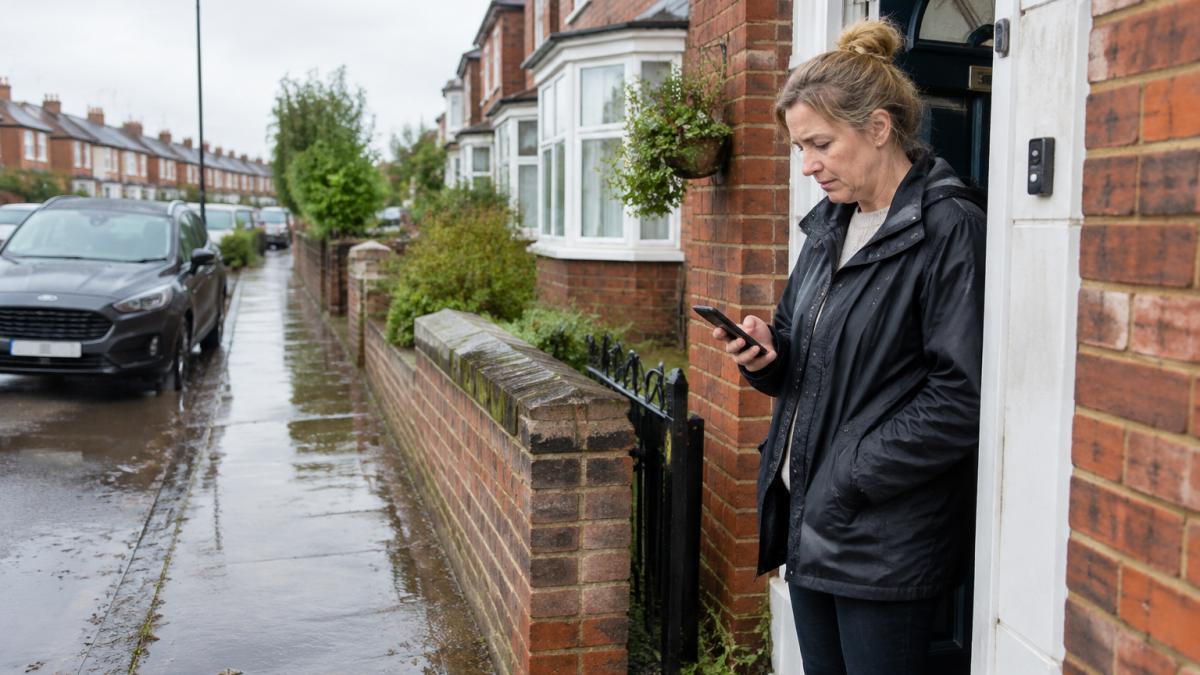
Providers' overall fault-repair records can be compared before you commit, and a poor record is a reason to ask harder questions.
A practical method for reading local reports:
- Note the date of the flood and the date service returned. The gap is the restoration time, and it is the number that matters.
- Separate the flood itself from the recovery. A river peaking on a Tuesday and broadband returning the following Monday is a six-day outage, not a one-day event.
- Check whether the outage was local to the street or wider. A single cabinet failure and a town-wide exchange failure are different problems with different lessons.
- Ask whether the provider published an incident report or a post-event review. Some do; many do not. The absence of one is itself information.
- Compare what neighbours say with what the provider says. Where they diverge, ask the provider to explain the gap in writing.
Restoration after a severe flood can vary by network and by the severity of the event, and it is not guaranteed to follow any fixed sequence.
Our view is that you should weigh several accounts over one. A single dramatic story may reflect an unusual local failure; a consistent pattern across a street or a community group is more informative. Where you can, ask for dates and durations rather than impressions.
Watch out: community social media posts often conflate a power cut with a broadband outage. Check whether the property lost electricity as well, if it did, the broadband failure may tell you nothing about the network's flood resilience.
Can Providers Guarantee Service in a Flood Area?
No provider can guarantee uninterrupted service in a flood area. Most broadband contracts include terms about faults and outages, but they rarely promise a specific restoration time for weather events. Read the service terms carefully, especially any clauses about force majeure.
Ask the provider directly what they will do if flooding damages equipment serving your address. A clear, written answer is more useful than a general assurance on a website.
Checking Broadband Availability by Postcode Alongside Flood Risk
A practical way to start is to check both datasets for the same postcode. Use the Environment Agency flood map for flood risk, and a broadband availability checker for coverage and the speeds you can expect. For guidance, read how to assess broadband speed in a postcode. Note the results together, along with the date you checked, because both can change.
Jackson's free Viewing Check covers flood and other area data for England and Wales postcodes. You can type any postcode to see flood risk, crime, road noise and the nearest station in seconds. It gives you a starting point, not a verdict on any individual property.
Questions to Put to a Provider Before You Commit
Before you sign a contract, ask the provider these questions:
- Has this address had service faults during past floods?
- What is the typical restoration time after weather-related damage?
- Is the local cabinet or exchange raised above known flood levels?
- Will I get a credit or compensation for prolonged outages?
- Can I take a shorter contract if service proves unreliable?
Write down the answers. A provider that cannot give clear responses is itself useful information. If you are worried about insurance, check the five steps to confirm Flood Re eligibility before you commit.
Running Your Own Postcode Check Before You Make an Offer
Before you make an offer, run a postcode check that covers flood risk and broadband in one place. Note any flood zone result, check the broadband speeds available, and look at the local planning and crime data too. Then decide which gaps you need to close with a survey or a conveyancer.
Jackson's Instant Report is £9 and an Area Report from £19 is checked by a named analyst. Neither is a survey, so ask a surveyor to assess the building itself and a conveyancer to check title and legal matters.
Frequently Asked Questions
Does living in a flood zone affect broadband availability?
Flood zone status does not on its own decide whether a postcode can get broadband. Availability depends mainly on the local network infrastructure, such as where cabinets, exchanges and ducts sit. Where that infrastructure is in or near an area that floods, the service can be interrupted during a flood. Flood risk and broadband coverage are separate datasets, so check both for a postcode. Broadband availability checkers show which services are listed at an address, and the Environment Agency's flood map shows flood risk for the same location.
Can flooding cause broadband outages?
Yes. Flooding can damage street cabinets, power supplies and exchange equipment, and it can cut the electricity needed to run them. Outages are usually temporary and tied to the flood event, but repairs can take longer where access is restricted. Residents should not assume a particular postcode will stay connected during a flood. Ask the provider how its network in the area is protected and how it reports faults during severe weather.
How can I check broadband availability at a postcode?
Enter the full postcode or address into an availability checker run by the main providers or by Ofcom's broadband checker. Results show which technologies, such as full fibre, FTTC or standard ADSL, are listed for that address. Check the speed and reliability claims against the provider's own terms. Availability can change as networks are upgraded, so re-check close to your move date.
Where can I check flood risk for an area?
The Environment Agency's flood map for planning shows river, sea and surface water flood risk for England, and Natural Resources Wales provides equivalent maps for Wales. These maps show risk zones, not the condition of any building. Use them alongside the local planning portal and the flood history recorded for the area. For legal and planning questions about a specific property, your conveyancer is the right person to ask.

Short on time? Let us run the checks for you
Viewing this weekend and don't fancy an afternoon of maps? The free Foolproof Viewing Check pulls the headline tiles for any address you're looking at — no card, no sign-up.
Want the whole area read by hand and written up, checked and signed off by a real person before it reaches you? That's the Jackson pre-purchase area report. Software does the legwork so it's quick and affordable; a person makes the call so you can trust it. Reports start from £19.
Frequently asked questions
Does living in a flood zone affect broadband availability?
Flood zone status does not on its own decide whether a postcode can get broadband. Availability depends mainly on the local network infrastructure, such as where cabinets, exchanges and ducts sit. Where that infrastructure is in or near an area that floods, the service can be interrupted during a flood. Flood risk and broadband coverage are separate datasets, so check both for a postcode. Broadband availability checkers show which services are listed at an address, and the Environment Agency's flood map shows flood risk for the same location.
Can flooding cause broadband outages?
Yes. Flooding can damage street cabinets, power supplies and exchange equipment, and it can cut the electricity needed to run them. Outages are usually temporary and tied to the flood event, but repairs can take longer where access is restricted. Residents should not assume a particular postcode will stay connected during a flood. Ask the provider how its network in the area is protected and how it reports faults during severe weather.
How can I check broadband availability at a postcode?
Enter the full postcode or address into an availability checker run by the main providers or by Ofcom's broadband checker. Results show which technologies, such as full fibre, FTTC or standard ADSL, are listed for that address. Check the speed and reliability claims against the provider's own terms. Availability can change as networks are upgraded, so re-check close to your move date.
Where can I check flood risk for an area?
The Environment Agency's flood map for planning shows river, sea and surface water flood risk for England, and Natural Resources Wales provides equivalent maps for Wales. These maps show risk zones, not the condition of any building. Use them alongside the local planning portal and the flood history recorded for the area. For legal and planning questions about a specific property, your conveyancer is the right person to ask.